Electronic Information Industry
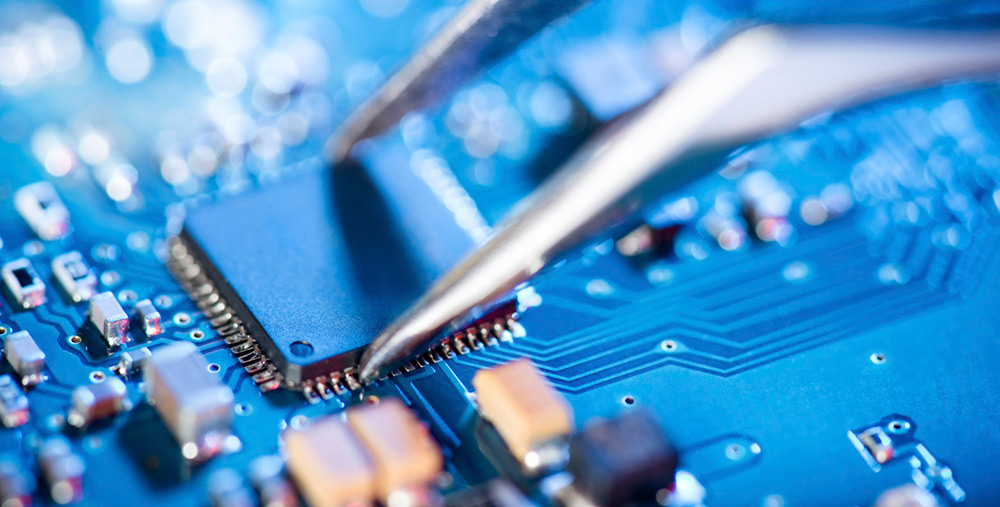
Compared with traditional cutting processes such as oxygen acetylene and plasma, laser cutting has fast speed, narrow cutting seam, small heat affected zone, good perpendicularity of the cutting seam edge, and smooth cutting edge. At the same time, there are many types of materials that can be laser cut, including carbon steel, stainless steel, alloy steel, wood, plastic, rubber, cloth, quartz, ceramics, glass, composite materials, etc. With the rapid development of market economy and the rapid progress of science and technology, laser cutting technology has been widely applied in fields such as automobiles, machinery, electricity, hardware, and electrical appliances. In recent years, laser cutting technology has been developing at an unprecedented speed, with an annual growth rate of 15% to 20%. Since 1985, China has been growing at an annual rate of nearly 25%. At present, there is still a significant gap in the overall level of laser cutting technology in China compared to advanced countries. Therefore, laser cutting technology has broad development prospects and huge application space in the domestic market.
During the cutting process of a laser cutting machine, the beam of light is focused into a small focal point through the lens of the cutting head, achieving a high power density at the focal point. The cutting head is fixed on the z-axis. At this time, the heat input by the beam far exceeds the part of the heat reflected, conducted or diffused by the material, and the material is soon heated to the melting and vaporization temperature. At the same time, a Jet stream blows out the melted and vaporized material from the coaxial or non coaxial side, forming holes for material cutting. With the relative movement of the focal point and the material, the hole forms a continuous and narrow cutting seam, completing the cutting of the material.
PCB industry
Compared with traditional cutting processes such as oxygen acetylene and plasma, laser cutting has fast speed, narrow cutting seam, small heat affected zone, good perpendicularity of the cutting seam edge, and smooth cutting edge. At the same time, there are many types of materials that can be laser cut, including carbon steel, stainless steel, alloy steel, wood, plastic, rubber, cloth, quartz, ceramics, glass, composite materials, etc. With the rapid development of market economy and the rapid progress of science and technology, laser cutting technology has been widely applied in fields such as automobiles, machinery, electricity, hardware, and electrical appliances. In recent years, laser cutting technology has been developing at an unprecedented speed, with an annual growth rate of 15% to 20%. Since 1985, China has been growing at an annual rate of nearly 25%. At present, there is still a significant gap in the overall level of laser cutting technology in China compared to advanced countries. Therefore, laser cutting technology has broad development prospects and huge application space in the domestic market.
During the cutting process of a laser cutting machine, the beam of light is focused into a small focal point through the lens of the cutting head, achieving a high power density at the focal point. The cutting head is fixed on the z-axis. At this time, the heat input by the beam far exceeds the part of the heat reflected, conducted or diffused by the material, and the material is soon heated to the melting and vaporization temperature. At the same time, a Jet stream blows out the melted and vaporized material from the coaxial or non coaxial side, forming holes for material cutting. With the relative movement of the focal point and the material, the hole forms a continuous and narrow cutting seam, completing the cutting of the material.
Photovoltaic solar energy
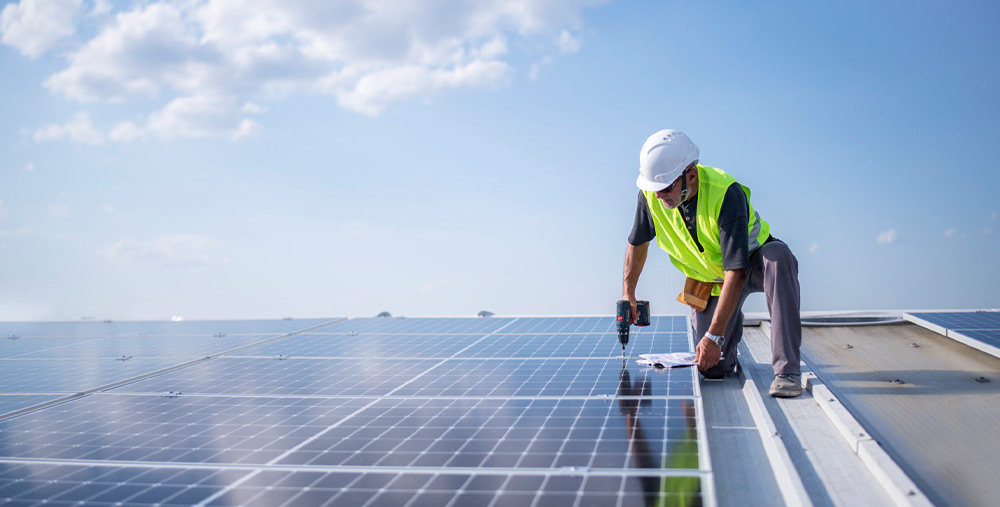
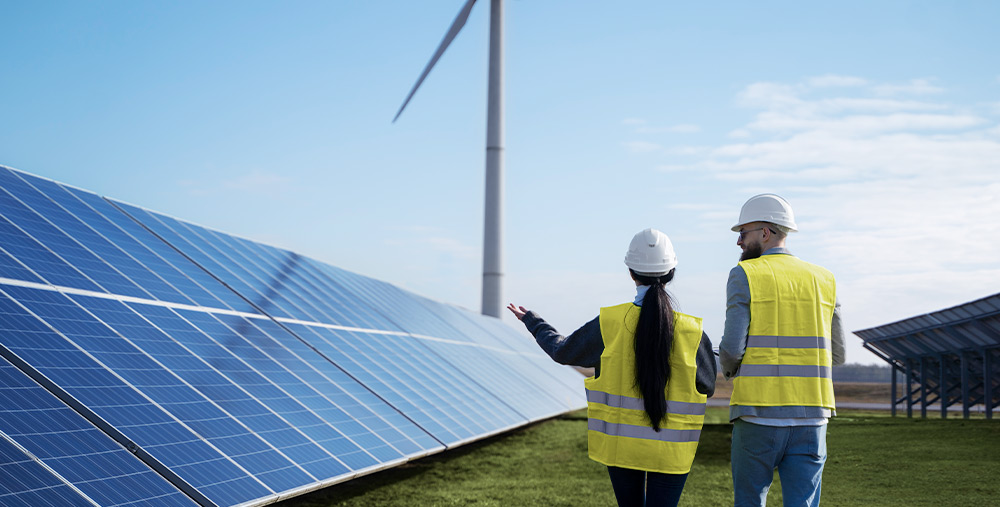
Solar photovoltaic system, also known as photovoltaics, is referred to as photovoltaic ("photovoltaic"; word source: "photo -" light, "voltaics" volt), which refers to the facility that uses the Photovoltaic effect of photovoltaic semiconductor materials to convert solar energy into DC power. The core of photovoltaic facilities is solar panels. The semiconductor materials used for power generation mainly include monocrystalline silicon, polycrystalline silicon, amorphous silicon and Cadmium telluride. Due to the active promotion of renewable energy applications in various countries in recent years, the development of the photovoltaic industry has been very rapid.
New energy lithium battery
Lithium ion battery refers to a type of battery that uses lithium ion intercalation compounds as the positive electrode material, such as lithium cobalt oxide, and carbon materials as the negative electrode, such as graphite, mainly relying on the movement of lithium ions between the positive and negative electrodes to operate. What needs to be proposed here are two concepts: lithium batteries and lithium-ion batteries. Lithium batteries generally include two types, namely lithium metal batteries and lithium-ion batteries, so please be careful not to confuse them. Currently, the most widely used in the new energy vehicle industry is lithium-ion batteries, which do not contain metallic lithium. Although lithium-metal batteries are superior to lithium-ion batteries in terms of safety, specific capacity, self-discharge rate, and cost-effectiveness, due to their high technical requirements, both manufacturing and storage costs are relatively high, which limits the development of lithium-metal batteries.